
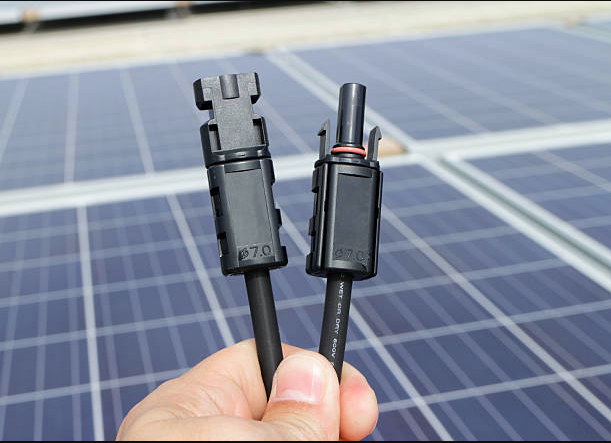
Connectors are an important part of every solar system, even though you can’t see them. They ensure secure, consistent current transfer across photovoltaic components. Without durable, weatherproof connectors, even the most advanced solar structure loses efficiency. Modern solar connectors are engineered for outdoor endurance and high-voltage loads, reducing failure points over time. Their design isn’t just about physical connection—it’s about long-term energy flow stability. This subtle component becomes critical in high-performance commercial, municipal, and industrial environments.
Precision Engineering for Complex Solar Configurations
Today’s solar systems extend beyond simple panel arrays. As architects and energy planners design integrated canopies, charging bays, and shading structures, connectors must support varied geometries and modular growth. Precision-matched terminals let you change the arrangement without losing power. Multi-contact connectors, built for current uniformity, also support scalability. For consultants and engineers, reliable connector design means confidence in system longevity and ease of upgrades. It’s precision that builds project resilience from the inside out.
Weather-Resistant Designs That Endure Harsh Environments
In outdoor solar infrastructure, exposure to wind, rain, UV radiation, and thermal expansion is constant. That’s where IP-rated solar connectors make their mark. Designed with high-grade insulation, corrosion-proof contacts, and reinforced locking mechanisms, they hold steady in rooftop arrays, solar parking shelters, and coastal or urban zones alike. Government projects and commercial owners benefit from fewer maintenance interventions and uninterrupted power output across all seasons—the result is solar networks that keep working when the climate doesn’t cooperate.
Reducing Energy Loss Through Advanced Conductivity
Every connector point introduces potential resistance. Advanced solar connectors address this with materials like silver-plated copper or tinned contacts that minimize conductivity loss. These design choices, while subtle, significantly improve voltage continuity. In energy-dense installations, think of multi-level structures or solar-integrated campuses. Such improvements compound and deliver measurable gains. For energy advisors, specifying high-efficiency connectors becomes part of broader strategies to increase ROI while upholding sustainable energy generation standards.
Safe Disconnection and Maintenance Protocols
In public and industrial zones, connectors must balance access with safety. Quick-disconnect designs with locking systems and built-in arc suppression features help ensure maintenance teams can service or modify systems without electrical hazards. For municipalities deploying large-scale solar installations, this adds critical risk reduction during inspections or upgrades. Modern connectors support rapid diagnostics by enabling non-invasive testing—allowing energy flow to be paused, assessed, and resumed with minimal disruption to service.
Simplifying Modular Installations Across Solar Sites
From EV canopy expansions to solar walkways, modular systems are becoming the norm. Connectors that enable plug-and-play simplicity reduce installation time and error margins. Color-coded or keyed designs minimize cross-wiring risks and help scale solar systems in phases. Architects benefit from this modularity when executing dynamic structures with energy-harvesting functionality. These intelligent connection systems empower contractors and energy teams to work quickly—without compromising performance or structural aesthetics.
Supporting Circular Systems with Reusable Connector Design
Sustainability goes beyond generation—it includes system reuse and repurposing. Solar connectors are designed for repeated connection cycles, and recyclable materials support circularity. Entrepreneurs in the clean-tech sector are leaning toward these solutions to enhance product lifecycle planning. Reusable connectors reduce waste during site decommissioning or repurposing, aligning with eco-driven infrastructure goals. For future-forward cities, choosing components that extend value beyond initial use is a smart move both economically and ecologically.
Conclusion
As solar becomes deeply embedded in modern cities, connectors act as the unseen nerve system enabling it all. Their performance directly shapes the safety, efficiency, and longevity of every installation. At parko-solar.com, these details are not overlooked—they are engineered into every structure, ensuring reliable connectivity in high-demand environments. As we push toward smarter, greener urban spaces, well-designed connectors don’t just link circuits—they empower possibility. And in this mission, we find our role: quietly connecting energy to a brighter, more resilient tomorrow.