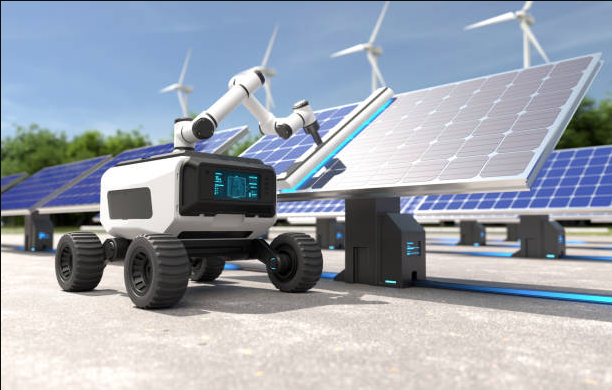
The automation category is reshaping how solar infrastructure is built, maintained, and scaled. Unlike traditional static systems, new-generation solar solutions integrate automation from the ground up—turning passive energy capture into a dynamic, self-regulating process. This is especially powerful in architectural design and public infrastructure, where adaptability matters. Smart control is now a basic need, not a luxury. It may be used for everything from solar canopies to big parking lots. And it’s transforming the role of solar in the modern built environment.
Enhancing Project Efficiency for Architects and Planners
For architects and urban planners, automation brings more than convenience—it offers precision. Integrated smart components enable responsive solar arrays that adapt to shifting light, user behavior, or urban density. This helps designers balance form with function while aligning with energy mandates. Whether for a commercial campus or a transit station, these automated systems reduce long-term energy waste and increase project viability. Innovation in this space allows for aesthetics to remain bold without sacrificing sustainability or performance.
Smart Infrastructure for Smarter Facility Management
Facility managers are navigating growing energy demands while optimizing space usage. Solar automation simplifies that equation. Systems equipped with live monitoring, grid-synced controls, and performance alerts empower managers to predict maintenance needs, assess output, and even adjust configurations remotely. It’s not just about cutting emissions—it’s about giving managers real tools to make proactive decisions. Parking lots and rooftop structures become intelligent assets rather than passive surfaces, creating energy and shade while reducing operational stress.
Municipal Integration: Solar That Thinks for Cities
When municipalities invest in solar, accountability and scalability are essential. Automated systems provide real-time reporting and smart metering that supports citywide sustainability goals. These installations go beyond lighting or powering specific sites—they feed back into the ecosystem. Programmable functions and analytics give decision-makers a complete picture of how the system is used, how it interacts with the grid, and when it performs best. As cities shift toward energy resilience, automation ensures solar projects are measurable, manageable, and community-aligned.
Driving Innovation for Green-Minded Investors
The solar sector is attracting investors who prioritize long-term value and impact. Automation increases project transparency while improving system longevity, two qualities that are highly attractive in environmental investment. Systems that track their data optimize power flow and schedule self-maintenance to build trust and minimize risk. Entrepreneurs focused on clean-tech startups are leveraging these capabilities for competitive differentiation. Automation has become a key driver in making solar both reliable and investment-worthy.
Data-Driven Decisions Through Solar Intelligence
Every automated component adds value when it feeds into a broader data strategy. With machine learning integration and IoT connectivity, solar systems now learn from their environments. They adapt output based on user demand, weather, and seasonal variations. Energy advisors and engineering consultants use this data to guide large-scale deployments or fine-tune current setups. The result? Smarter energy ecosystems that balance performance and sustainability with real-time insight—without relying on manual oversight.
Sustainable Energy with Built-In Optimization
Automation isn’t just about digital controls—it’s about ensuring peak efficiency in any scenario. Through programmable cleaning systems, integrated tilt adjustments, and condition-based updates, solar installations maintain their highest possible yield. This extends product life and reduces material fatigue, which is key for heavy-use urban environments. Solar no longer needs constant human intervention to work—it’s learning to self-sustain, creating more reliable and eco-conscious installations across industrial, public, and private projects alike.
Conclusion
As the clean energy transition accelerates, automation stands at the forefront of intelligent solar development. From responsive architecture to municipally integrated systems, today’s innovations go far beyond panel installation—they introduce full-system intelligence. Sites like parko-solar.com represent this future-forward movement, where renewable energy is optimized through smart design and automated control. By reducing complexity and improving performance, automation empowers industries, governments, and communities to transition confidently into a greener, more efficient energy model. It’s the next logical—and necessary—step in solar evolution.

